Robert Bateman: Find a Piece of Nature in Robert Bateman’s Art Collection
Robert Bateman is one of Canada’s most celebrated wildlife artists, renowned for his remarkably realistic paintings of animals, birds, and natural landscapes. Combining artistic skill with a naturalist’s understanding of wildlife, Bateman creates paintings that capture not only the physical appearance of animals but also their behavior, character, and relationship with their environment. His work has earned international recognition among art collectors, wildlife enthusiasts, conservationists, and admirers of fine art.
From majestic bald eagles and elusive wolves to polar bears, tigers, and delicate woodland birds, Bateman’s paintings celebrate the beauty and diversity of the natural world. His distinctive approach to wildlife art has made his original paintings and limited-edition prints highly sought after by collectors.
For collectors interested in his artwork, the Robert Bateman limited-edition prints and fine art collection at Gallery Direct Art is a useful place to explore available artwork.
Who Is Robert Bateman?
Robert McLellan Bateman was born in Toronto, Ontario, Canada, in 1930. From an early age, he developed a deep fascination with animals, birds, and the natural environment. His interest in wildlife and drawing eventually developed into an internationally recognized career as a painter, naturalist, educator, and environmental advocate.
Bateman studied geography at the University of Toronto and spent approximately two decades working as a teacher, including a period in Nigeria. His geographical knowledge, travels, and close observation of wildlife helped shape his understanding of natural habitats and animal behavior.
In the 1970s, Bateman increasingly devoted himself to painting full-time. His detailed wildlife paintings attracted growing attention, establishing him as one of the leading figures in contemporary wildlife art.
Unlike artists who depict animals primarily as decorative subjects, Bateman aims to represent wildlife within its natural surroundings. His paintings encourage viewers to appreciate the complexity of ecosystems and recognize the importance of protecting endangered species and vulnerable habitats.
His work can be explored through the official Robert Bateman artwork archive, which documents paintings spanning numerous subjects, species, and landscapes.
Robert Bateman’s Painting Style: Realism, Detail, and Natural Beauty
One of the defining characteristics of Robert Bateman’s artwork is his commitment to realism. His paintings combine careful observation, scientific understanding, and sophisticated artistic composition to create convincing representations of wildlife.
Although he explored several artistic movements during his early career, including Impressionism, Cubism, and Abstract Expressionism, he eventually returned to realism because he believed it was particularly effective for expressing the individuality of animals and the beauty of the natural world.
Several distinctive qualities characterize his artistic style.
1. Photorealistic Wildlife Representation
Bateman is widely admired for his exceptionally detailed depictions of animals. He carefully observes their anatomy, feathers, fur, facial expressions, and posture, creating paintings that feel lifelike without losing their artistic character.
The subtle texture of a wolf’s coat, the intricate patterns of an owl’s feathers, or the powerful form of a bald eagle are often central to his compositions.
His realistic approach appeals to collectors who appreciate both technical excellence and the emotional impact of wildlife art.
2. Scientifically Informed Accuracy
Bateman’s background as a naturalist distinguishes his work from wildlife paintings based solely on visual impressions.
He pays close attention to the physical characteristics, behavior, and surroundings of the animals he depicts. Their body proportions, movements, and interactions with the environment contribute to the credibility of his compositions.
This combination of artistic observation and natural history makes his paintings particularly appealing to birdwatchers, conservationists, and wildlife enthusiasts.
3. Atmospheric Landscapes and Natural Lighting
Although animals frequently occupy the center of Bateman’s compositions, their surroundings are equally important.
Forests, snow-covered landscapes, grasslands, wetlands, rocky coastlines, and Arctic environments establish the atmosphere of each painting. Subtle changes in light, shadow, color, and weather help convey the character of a particular habitat.
His ability to balance a sharply observed animal with a convincing natural setting creates compositions that feel both intimate and expansive.
4. Emotional Connection With Wildlife
Bateman’s paintings are not simply studies of animal anatomy. They often invite viewers to imagine the animal’s experience within its environment.
A solitary wolf in winter, an owl watching from a branch, or an eagle surveying a landscape can communicate alertness, independence, vulnerability, and strength.
This emotional dimension is an important reason why his paintings appeal to a broad audience beyond traditional wildlife art collectors.
Famous Subjects in Robert Bateman’s Paintings
Robert Bateman has painted an extraordinary variety of wildlife throughout his career. His subjects range from familiar North American birds and mammals to animals living in African grasslands, tropical forests, and polar regions.
Bald Eagles and Other Birds of Prey
Birds of prey are among the most recognizable subjects in Bateman’s body of work. His eagle paintings emphasize powerful wings, sharp eyesight, intricate feather patterns, and the commanding presence of these birds in the wilderness.
Works featuring bald eagles, golden eagles, and other raptors demonstrate his ability to combine anatomical precision with dramatic composition.
These paintings are especially popular with collectors who appreciate the symbolism of freedom, strength, and independence associated with eagles.
Wolves and Other Wild Canines
Wolves are another important subject in Bateman’s wildlife paintings. His depictions frequently explore their relationship with forests, snow, open landscapes, and other members of their species.
Paintings featuring wolves and coyotes often convey the animals’ alertness and adaptability while highlighting their role in the natural ecosystem.
Bateman’s careful treatment of fur, posture, and environmental detail makes these works particularly compelling to admirers of North American wildlife.
Polar Bears and Arctic Wildlife
The Arctic provides Bateman with opportunities to explore the relationship between wildlife, ice, snow, and changing environmental conditions.
His polar bear paintings frequently use contrasts between white fur, blue shadows, dark water, and pale ice to create visually striking compositions.
Beyond their aesthetic appeal, these works can encourage reflection on habitat conservation and the environmental challenges facing Arctic species.
Owls and Woodland Birds
Bateman’s bird paintings also include owls, chickadees, woodpeckers, hummingbirds, and other species associated with forests and gardens.
These subjects allow him to explore smaller details, such as feather textures, delicate branches, berries, and the changing colors of seasonal vegetation.
The intimate scale of many bird paintings makes them attractive choices for home interiors, studies, offices, and smaller art collections.
African Wildlife and Exotic Species
Bateman’s artistic interests extend beyond North America. His paintings include lions, elephants, giraffes, cheetahs, and other animals associated with African landscapes.
These works demonstrate his ability to portray wildlife in different ecological settings while maintaining the careful observation and realism that define his artistic identity.
His broad selection of subjects allows collectors to choose artwork that reflects their favorite animals, preferred landscapes, or personal interest in conservation.
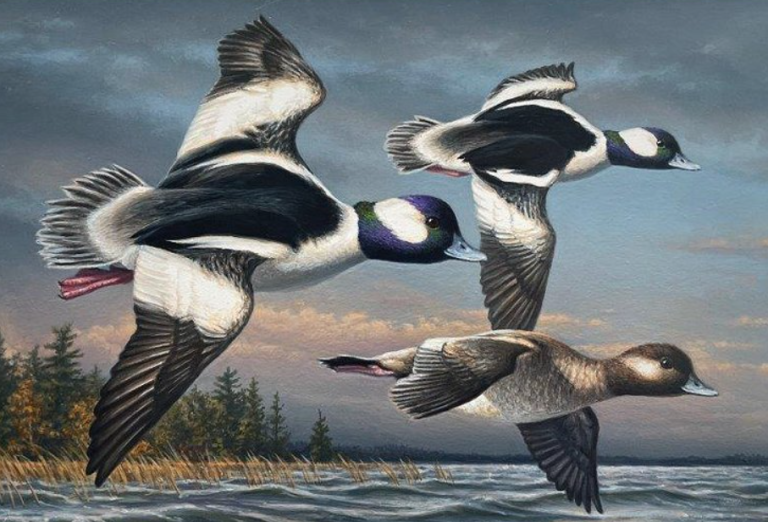
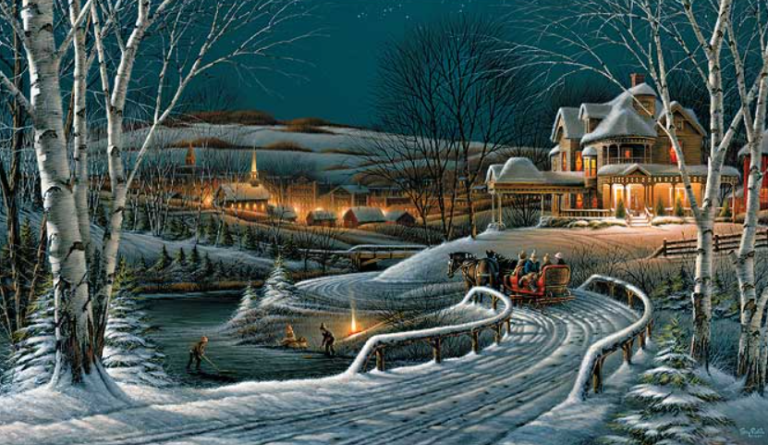
The following examples illustrate the realism, attention to detail, and atmospheric landscapes that distinguish Robert Bateman’s artwork.
Image 1: The Air, the Forest and the Watch — Bald Eagle
This painting demonstrates Bateman’s ability to combine detailed wildlife representation with atmospheric natural surroundings. The eagle’s distinctive plumage contrasts with the misty woodland, creating a composition that evokes both strength and environmental awareness.
Image 2: Arctic Evening – White Wolf
The white wolf illustrates Bateman’s skill in portraying wildlife within challenging natural environments. Its pale fur, attentive posture, and snowy surroundings demonstrate his sensitivity to texture, lighting, and the subtle colors of the Arctic landscape.
For publication, verify image reproduction rights and use appropriately licensed images. You can also select artwork directly from the artist’s official archive or the Gallery Direct Art collection.
Robert Bateman Limited Edition Prints: A Collector’s Guide
Robert Bateman limited edition prints are popular among wildlife art enthusiasts who want to enjoy his paintings without acquiring an original artwork. These prints reproduce selected compositions in carefully produced editions, allowing more collectors to appreciate his artistic achievements.
His limited edition works have featured animals such as bald eagles, wolves, polar bears, owls, foxes, and other wildlife species.
Collectors interested in these prints should understand the different production methods, edition details, and factors that can influence a print’s desirability.
What Are Robert Bateman Limited Edition Prints?
A limited edition print is produced in a predetermined quantity rather than as an unlimited commercial reproduction. Depending on the artwork, the edition may consist of a specified number of prints, sometimes accompanied by a separate group of artist proofs.
Some Robert Bateman prints were produced using traditional printmaking processes, while others were created using modern fine-art reproduction techniques.
Common categories include:
- Lithographs: Prints produced through a lithographic printing process, including editions associated with Bateman’s earlier works.
- Giclée prints: Fine-art reproductions made using high-resolution digital printing technology.
- Canvas editions: Prints produced on canvas to resemble the presentation of an original painting.
- Paper editions: Prints on paper that can be framed behind glass or displayed using other suitable presentation methods.
The medium, edition size, signature, and production details vary between individual releases. Buyers should check the specifications of each print rather than assuming that every Bateman edition has the same characteristics.
Signed and Numbered Prints
Some Robert Bateman limited editions are hand-signed and numbered by the artist. These details can help establish the identity of a particular print and distinguish it from unsigned reproductions.
A typical edition notation might read 125/500, meaning that the print is number 125 in an edition of 500.
However, numbering alone does not establish authenticity or market value. Buyers should also consider the publisher’s information, provenance, condition, and any accompanying documentation.
The Importance of Millpond Press
Millpond Press is associated with a number of Robert Bateman’s wildlife print editions. Its publications helped make selected images from his artistic career available to collectors who admired his detailed representations of animals and natural habitats.
Collectors looking for these editions can explore the Robert Bateman collection at Gallery Direct Art.
The page is particularly relevant to people researching Robert Bateman prints connected with Millpond Press. Availability, edition details, signatures, and presentation can vary by individual artwork, so check each listing carefully.
What Determines the Value of Robert Bateman Prints?
The value of a Robert Bateman limited edition print depends on several factors rather than edition size alone.
1. Edition size: A smaller edition may appeal to collectors because fewer prints were produced, although scarcity does not automatically guarantee higher prices.
2. Artist’s signature: Hand-signed examples may attract more interest than otherwise comparable unsigned prints.
3. Subject matter: Popular animals, recognizable compositions, and particularly striking images may attract greater collector attention.
4. Condition: Fading, discoloration, damaged paper, moisture marks, and framing problems can affect desirability.
5. Provenance and documentation: Reliable ownership history, publisher records, and certificates of authenticity can help buyers assess an artwork.
6. Market demand: Prices can change according to collector interest, comparable sales, availability, and broader art-market conditions.
Anyone purchasing a Robert Bateman print as a potential investment should research comparable sales and remember that resale prices are not guaranteed.
Robert Bateman’s Achievements and Awards
Robert Bateman’s reputation extends beyond his paintings. Throughout his career, he has received significant recognition for his contributions to art, environmental education, and wildlife conservation.
Officer of the Order of Canada
One of Bateman’s most important honours was his appointment as an Officer of the Order of Canada, announced in 1983 and invested in 1984.
The honour recognized his standing as an internationally respected wildlife artist and his contribution to bringing greater appreciation of animals and the natural world to the public.
The Order of Canada is one of the country’s highest civilian honours.
Member of the Order of British Columbia
Bateman was appointed a Member of the Order of British Columbia in 2001, recognizing his contributions and achievements in the province.
His connection with British Columbia has been an important part of his artistic and environmental work.
Royal Canadian Geographical Society Gold Medal
In 2013, Bateman received the Gold Medal of the Royal Canadian Geographical Society in recognition of his commitment to preserving Canada’s landscapes.
The honour reflects the close relationship between his artistic interests, geographical knowledge, and environmental advocacy.
International Exhibitions and Museum Recognition
Bateman’s work has been exhibited in major cultural institutions and museums across North America. His exhibitions have introduced large audiences to wildlife art and encouraged viewers to consider the importance of protecting natural habitats.
His exhibition history includes a presentation at the Smithsonian Institution in Washington, D.C., and numerous other museum exhibitions.
His paintings are also represented in public and private collections, including collections associated with wildlife art and natural history.
Environmental Conservation and Education
Conservation has remained a central theme throughout Bateman’s career.
Through his paintings, public appearances, educational initiatives, and fundraising activities, he has encouraged people to understand the importance of preserving wildlife and natural environments.
Selected artworks have helped raise funds for environmental and conservation causes. This connection between artistic expression and environmental responsibility distinguishes Bateman from many artists whose work focuses primarily on aesthetic concerns.
Author and Educator
Bateman has also shared his knowledge through books, lectures, and educational activities.
His publications explore wildlife, landscapes, artistic practice, and his personal experiences as an artist and naturalist. These works allow readers to understand the observations and ideas that inform his paintings.
His career demonstrates that wildlife art can be both a creative discipline and a means of communicating scientific and environmental ideas.
For additional information about his biography and honours, readers can consult the official Robert Bateman website and the Governor General of Canada’s Order of Canada record.
Why Robert Bateman’s Paintings Remain Popular
Robert Bateman’s paintings appeal to different audiences for several reasons.
A Celebration of Nature
His paintings allow viewers to experience the beauty of wildlife, from the familiar birds of a garden to animals inhabiting remote wilderness areas.
For people who enjoy nature but cannot regularly visit these environments, wildlife paintings provide a lasting connection with the natural world.
Exceptional Attention to Detail
Bateman’s careful rendering of fur, feathers, eyes, and landscapes gives his paintings a distinctive visual appeal. Viewers can discover additional details each time they examine a composition.
A Distinctive Artistic Identity
His recognizable realist approach has helped establish a strong identity within contemporary wildlife art.
Rather than relying primarily on dramatic exaggeration, he uses careful observation, composition, and natural lighting to communicate the character of his subjects.
A Meaningful Collecting Experience
Collectors may select his paintings because of a personal connection with a particular animal, a memorable landscape, or an interest in conservation.
Limited edition prints also provide opportunities to build a wildlife art collection around specific themes, such as birds of prey, Arctic wildlife, woodland animals, or African mammals.
How to Choose a Robert Bateman Limited Edition Print
If you are considering purchasing a Robert Bateman print, begin by deciding which subjects and formats appeal to you.
Choose your subject: Consider whether you prefer eagles, wolves, owls, polar bears, foxes, or landscapes featuring multiple animals.
Select the right format: Canvas prints can suit spaces where a painting-like presentation is desired, while paper prints may be suitable for traditional framed displays.
Check the edition information: Look for the edition size, print number, signature status, publisher, medium, and dimensions.
Examine the condition: For older prints, inspect the paper or canvas, image surface, frame, and any signs of fading or moisture damage.
Verify authenticity: Request available documentation and review the seller’s information about provenance and edition details.
Consider the display space: Choose dimensions and framing that complement the room where the artwork will be displayed.
Collectors searching for Robert Bateman wildlife prints can begin with the Gallery Direct Art Robert Bateman and Millpond Press collection.
Frequently Asked Questions About Robert Bateman
What Is Robert Bateman Famous For?
Robert Bateman is famous for his highly realistic wildlife paintings featuring animals in their natural environments. His work combines close observation of nature with an interest in environmental conservation.
What Style of Art Does Robert Bateman Paint?
Bateman is best known for realism and highly detailed wildlife painting. His compositions emphasize accurate animal anatomy, natural lighting, realistic textures, and carefully observed habitats.
What Animals Does Robert Bateman Paint?
His subjects include bald eagles, golden eagles, wolves, foxes, owls, polar bears, grizzly bears, elephants, lions, tigers, and numerous other birds and mammals.
Are Robert Bateman Limited Edition Prints Valuable?
Some prints attract significant collector interest, but their value depends on the particular edition, subject, signature, condition, provenance, and current market demand. Not every limited edition increases in value.
How Can I Identify an Authentic Robert Bateman Print?
Examine the signature, edition number, publisher information, provenance, and any certificate or supporting documentation. When necessary, seek advice from a reputable art dealer or qualified specialist.
Did Robert Bateman Receive the Order of Canada?
Yes. He was appointed an Officer of the Order of Canada in 1983 and invested in 1984.
Conclusion: The Lasting Legacy of Robert Bateman
Robert Bateman has established an enduring reputation as one of Canada’s leading wildlife artists. His paintings combine remarkable realism, an understanding of animal behavior, and a deep appreciation of the natural world.
From detailed portraits of birds of prey to evocative depictions of wolves and Arctic wildlife, his work invites viewers to look more closely at the animals and habitats that share our planet.
His achievements extend beyond the studio through exhibitions, publications, educational activities, and environmental advocacy. These contributions have helped make wildlife art an accessible and meaningful way to encourage appreciation of nature.
For collectors, Robert Bateman limited edition prints offer an opportunity to enjoy selected images from his celebrated body of work. Whether choosing a signed eagle print, a wolf scene, or a painting featuring another favorite animal, collectors can find artwork that reflects their personal interests and appreciation of wildlife.
To explore available works, visit the Robert Bateman and Millpond Press fine art print collection at Gallery Direct Art.