
William Phillips: Master of Aviation Art and Breathtaking Landscape Paintings
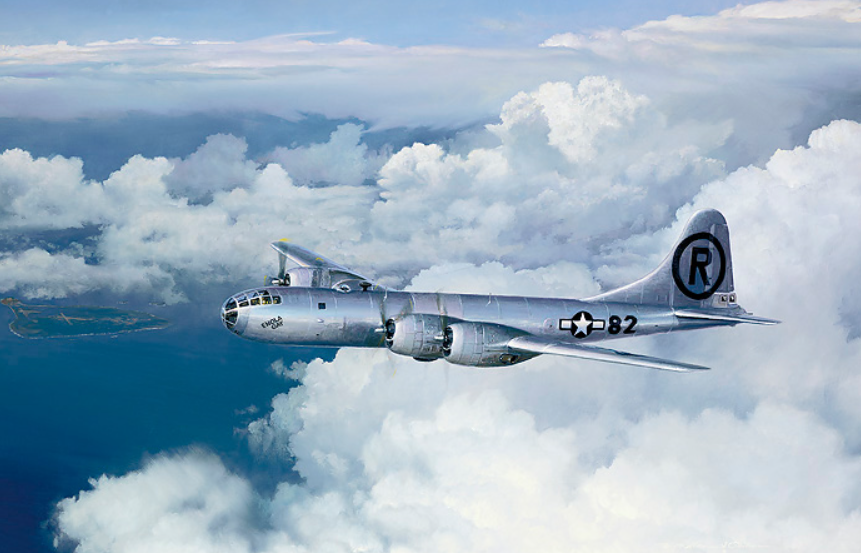
William Phillips stands as a distinguished figure in the realm of aviation and landscape art, captivating audiences with his breathtaking depictions of flight and nature. His work not only showcases technical skill but also evokes a deep emotional connection to the subjects he portrays. This article delves into Phillips’ artistic journey, exploring his biography, techniques, inspirations, and the significance of his contributions to the art world. Readers will gain insights into the unique aspects of aviation art and landscape paintings, as well as practical information on collecting and investing in these art forms. By the end, you will understand why Phillips is celebrated as a master artist and how his works can enhance any collection.
Artist Biography
William Phillips was born with a passion for aviation and art, which he skillfully combined throughout his career. His early life was marked by influences from both the aviation industry and the natural landscapes surrounding him. Phillips developed a unique artistic style characterized by meticulous attention to detail and a vibrant color palette that brings his subjects to life. His works often reflect the beauty of flight, capturing the essence of aircraft in motion against stunning backdrops. As a significant figure in both aviation and landscape art, Phillips has inspired countless artists and collectors alike.
Gallery Direct Art is an online art gallery specializing in original aviation and landscape paintings, prominently featuring William Phillips as a master artist in these genres. Collectors can explore a variety of his works, each telling a story of adventure and beauty.
Aviation Art Techniques
Aviation art is a specialized genre that requires a deep understanding of both artistic techniques and the mechanics of flight. Artists like William Phillips employ various methods to create lifelike representations of aircraft. Common techniques include:
- Oil Painting: This traditional medium allows for rich textures and vibrant colors, ideal for capturing the dynamic nature of flight.
- Watercolor: Often used for softer landscapes, watercolor can convey the ethereal quality of light and atmosphere in aviation scenes.
- Digital Art: With advancements in technology, many contemporary artists are exploring digital platforms to create stunning aviation artworks.
These techniques not only enhance the visual appeal of the artwork but also serve to educate viewers about the intricacies of aviation.
The advent of aviation has profoundly reshaped our perspective on landscapes, offering new ways to visualize and understand the world from above.
Aviation’s Impact on Landscape Vision & Artistic Development ABSTRACT: AbstractPowered aviation and the aerial photographs it makes possible have revolutionized the vision and study of landscape in several professions, among them landscape architecture. Selected developments immediately preceding and following World War II show how landscape architects have profited from the scientific knowledge and the aerial view made possible by powered aviation. Aerial vision furthered the artistic and scientific development in the field of landscape architecture and planning through the 20th and into the 21st century. Although landscape architects in the 1930s were fascinated with the new opportunities aerial vision could provide, they were slower than other professionals before World War II to realize the benefit that aerial photographs had for them. Isolated attempts to beautify airports were based on the idea that these new transportation nodes should be visible and attractive from both land and air. Although landscape architectural aesthetics have been influenced Between science and aesthetics: Aspects of “air-minded” landscape architecture, 2010
Landscape Painting Inspirations
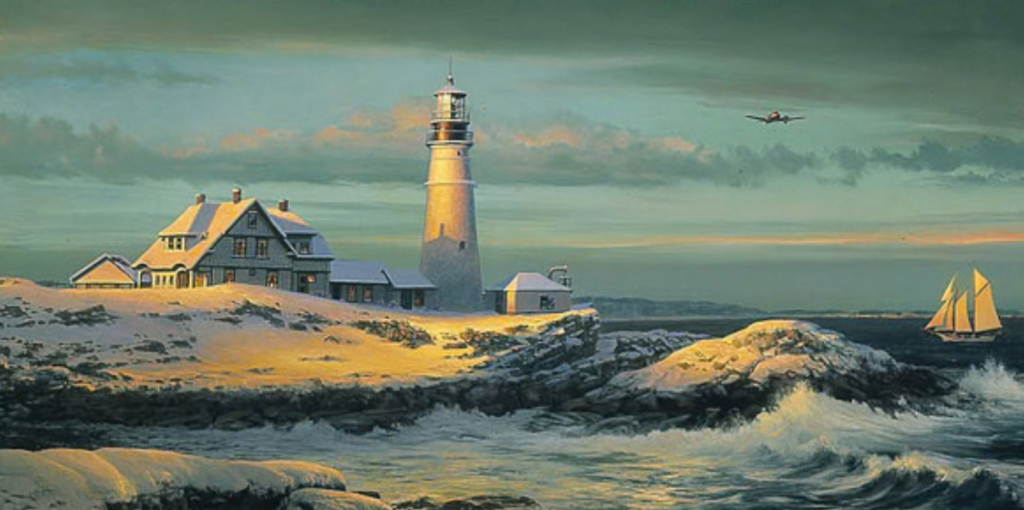
Landscape paintings often draw inspiration from the natural world, reflecting the beauty and diversity of our environment. William Phillips finds his muse in various sources, including:
- Natural Landscapes: The breathtaking vistas of mountains, forests, and skies provide endless inspiration for his work.
- Cultural Influences: Different cultures and their interpretations of nature can shape an artist’s perspective and style.
- Artistic Interpretations: Phillips often incorporates elements from classical art movements, blending them with modern techniques to create unique compositions.
These inspirations contribute to the depth and richness of Phillips’ landscape paintings, making them resonate with art enthusiasts and collectors.
Indeed, the genre of landscape painting has a profound and long-standing history, deeply influencing how humanity perceives and interacts with the natural world.
The Historical Significance of Landscape Painting Since antiquity, there have been painted depictions or visually fixed imaginations of the nature surrounding humans in its various forms. Landscape paintings capture what was considered beautiful or interesting at the time of their creation. Therefore, landscape painting is an important source for the perception and shaping of nature by humans. Landscape images are not only expressions of aesthetic feelings, they also shape these. The term “landscape” as a designation of a specific image form only became established late. As a genre term, it was established by 1604 at the latest, when Karel van Mander dedicated a separate chapter to landscape painting in the didactic poem preceding hisSchilder-Boeck. Landscape painting, 2025
Limited Edition Prints

For those interested in owning a piece of William Phillips’ artistry, limited edition prints are an excellent option. These prints offer a more accessible way to enjoy his work while maintaining the integrity of the original pieces. Here are some details about the available prints:
These limited edition prints are perfect for collectors looking to enhance their art collections with high-quality reproductions of Phillips’ most celebrated works. Each print is produced with meticulous attention to detail, ensuring that the essence of the original artwork is preserved.
Collecting and Investing in Aviation Art
Collecting aviation art can be a rewarding endeavor, both personally and financially. As the market for aviation art continues to grow, understanding its investment potential is crucial. Here are some key considerations for collectors:
- Investment Value: Aviation art can appreciate over time, especially works by renowned artists like William Phillips.
- Tips for Collectors: Research the artist’s background, the rarity of the piece, and its condition before making a purchase.
- Market Trends: Stay informed about current trends in the art market, as they can influence the value of aviation art.
By following these guidelines, collectors can make informed decisions and build a valuable collection.
Framing and Display Tips
Proper framing and display of artwork can significantly enhance its visual impact. Here are some best practices for showcasing aviation and landscape art:
- Choose the Right Frame: Select a frame that complements the artwork without overpowering it. Neutral colors often work best.
- Consider Lighting: Proper lighting can highlight the details of the artwork and create an inviting atmosphere.
- Maintain Artwork: Regularly clean and inspect your art to ensure it remains in pristine condition.
These tips will help you create a stunning display that showcases the beauty of your art collection.